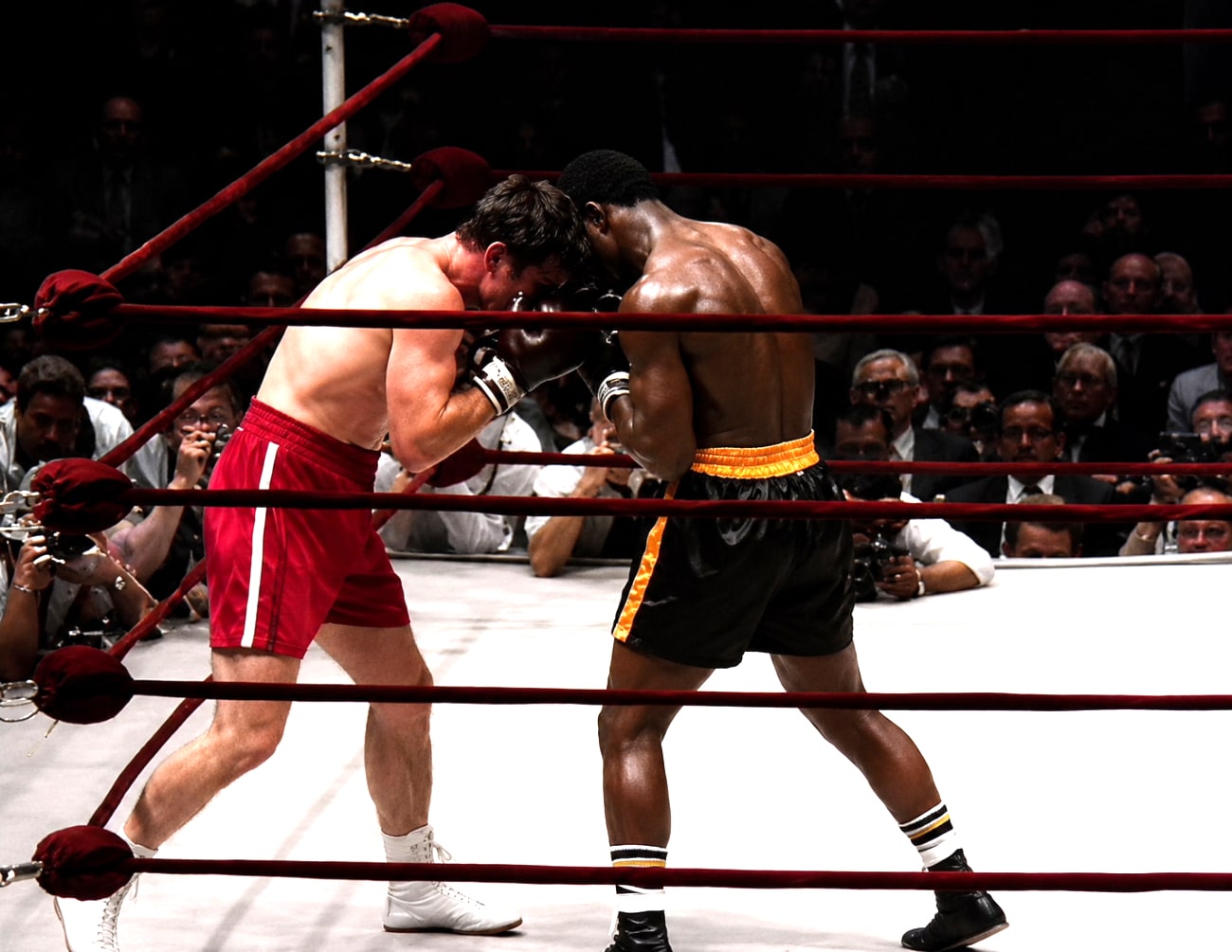


Muhammad Ali remained suspended from boxing at the time, leaving the heavyweight championship divided among multiple organizations and state commissions.
Frazier entered the ring as the New York State Athletic Commission heavyweight champion. At just 25 years old, he brought a perfect 23-0 record with 19 knockouts into the contest.
Quarry entered the fight with a 31-2-4 record and was regarded as one of the heavyweight division’s top contenders.
Both fighters landed punches during a busy opening round.
Frazier spent much of the second and third rounds pressing forward and forcing exchanges at close range. He continued targeting Quarry with left hooks to the body and head as the fight progressed.
A cut beneath Quarry’s right eye became the central issue as the fight progressed. At the conclusion of the seventh round, the ringside physician stopped the bout. Quarry protested the decision and wanted to continue, but officials ruled that the injury was too severe.
By the end of the seventh round, the ringside physician had seen enough.
Over Quarry’s objections, the fight was stopped due to the worsening eye injury. Quarry reportedly protested the decision and wanted to continue, but officials determined the bout could not safely proceed.
Frazier was awarded the victory by technical knockout and improved to 24-0.
The fight earned Fight of the Year honors from The Ring magazine and is still remembered as one of the best heavyweight contests of the era.
Less than a year later, Frazier defeated Jimmy Ellis to unify the heavyweight championship. In 1971, he handed Ali the first loss of his professional career in their historic “Fight of the Century” at Madison Square Garden.
Quarry came up short on the scorecards and in the final result, but his performance helped create one of the most memorable heavyweight fights of the 1960s, a bout that remains highly regarded more than five decades later.

Leave a Reply